The last ten years didn't fly by; it's been a grueling fight for AppEsteem, the AVs, and the platforms to get the unwanted software space under control, and to help the remaining, committed-to-be-clean vendors find ways to thrive.
We've fought (and won) against bad system utilities, VPNs, offer bundlers, downloaders, and call centers. This is the real power of working together: we leave neither room nor time for the bad guys to evade. The system works.
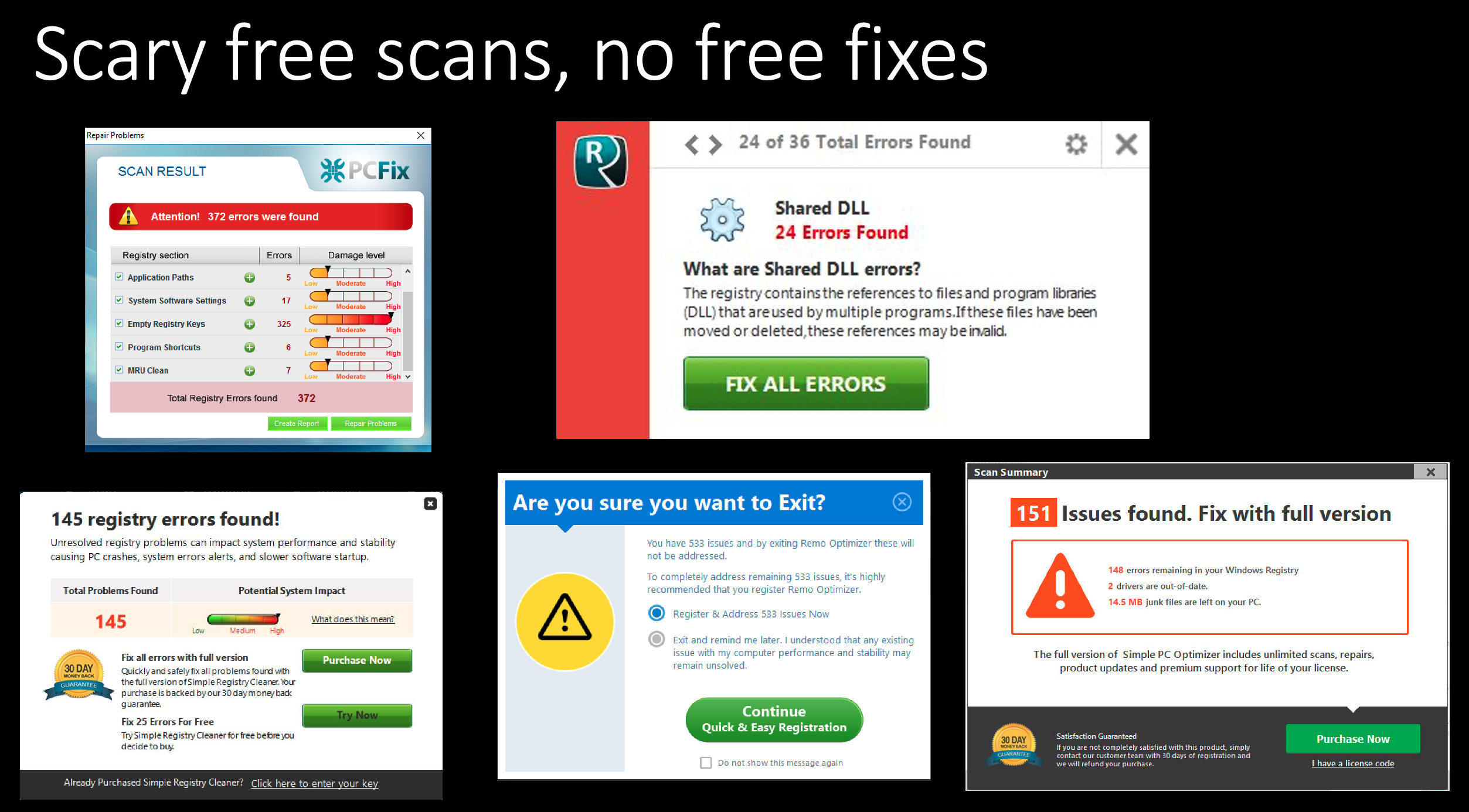
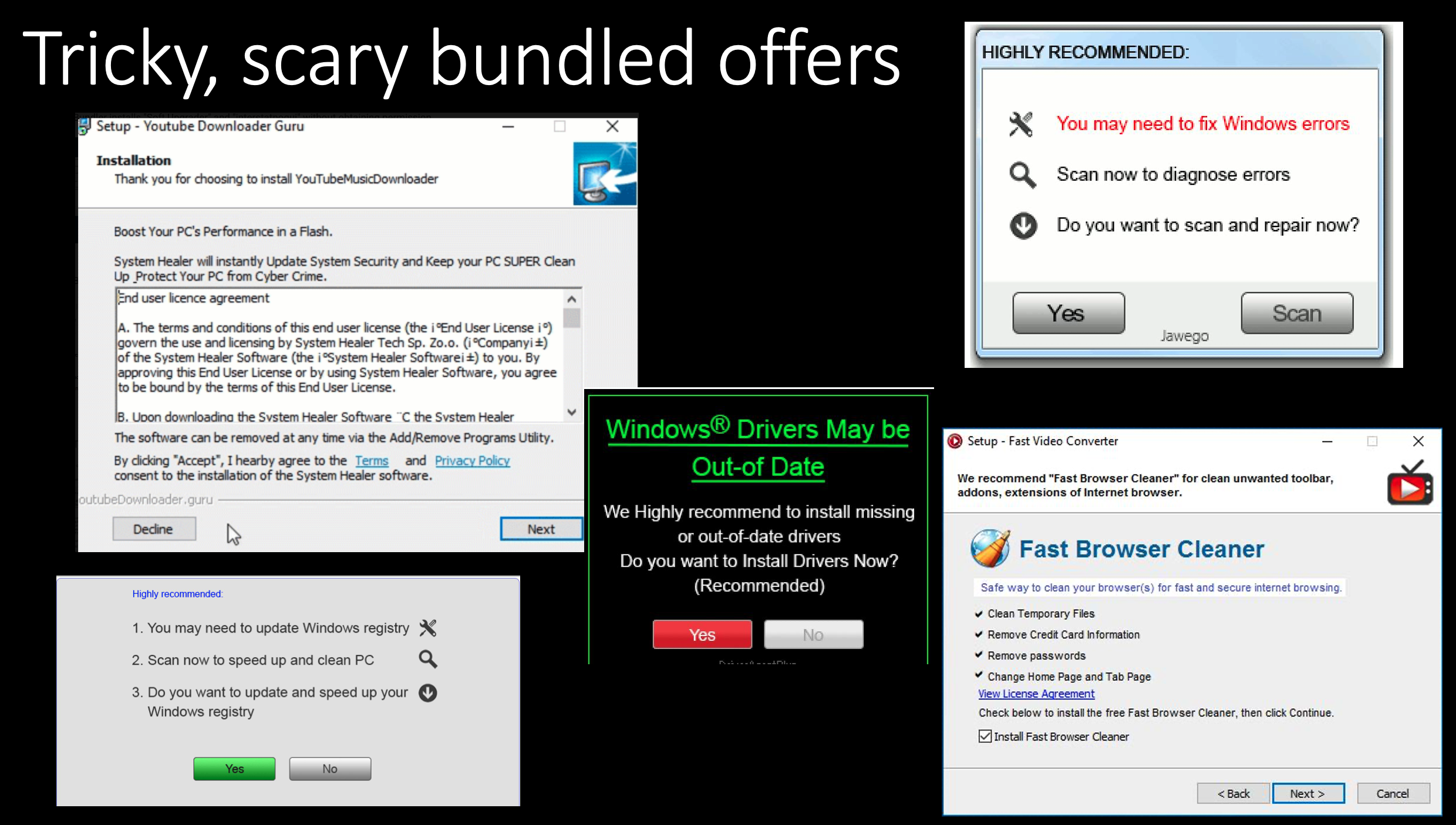
Don't believe us? Here's a reminder of what 2016 looked like, when we started working together to clean up this space.
System utilities:
Bundlers/offers:
Call Centers:
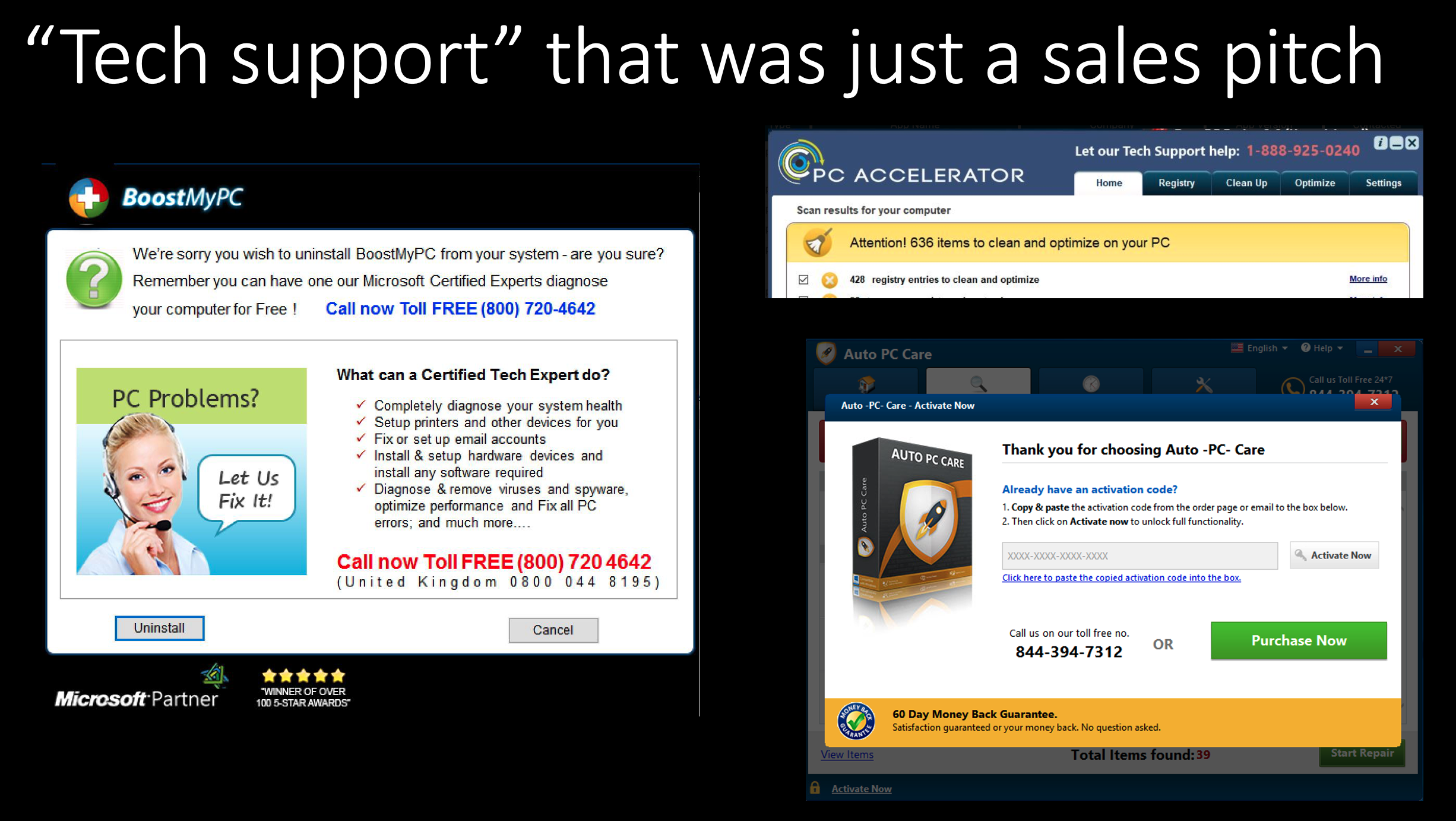
And those don't even show all the other good work we've done on cleaning up the apps that automatically set your search, the extensions that injected ads, the toolbars added onto your browser, the fake badges/reviews/claims.
The system works because the AV ecosystem works with us, month after month, year after year, to do two things:
- We maintain strong Deceptor-level requirements for applications - requirements that we know will keep consumers safe, and neither scared, tricked, nor scammed. If we find applications that break these requirements, we list them on our active Deceptor list, and most AVs will block that app from installing and running.
- We maintain even stronger Certification-level requirements for applications, and share the apps we certifiy. Most AVs allow certified apps to install and run, because they trust these requirements will protect consumers.
Because we keep the focus on consumers, we're able to have consensus. The consumer's interests are the key that makes this system work.
All the above is the good news: the thousands of apps that we've called out as Deceptors and got them to change or go away, and the thousands of apps that did change and continue to thrive.
But it's not all good news. Part of cleaning up the unwanted space is that we uncover other areas that need fixing. These days we're worried about whether apps actually keep the promises they make to their customers: the explicit ones like how they use your private data, what gets installed, and how they handle any risks they introduce; and the implicit ones like how they deal with vulnerabilities and how they protect against abuse/misuse.
So instead of just declaring "mission accomplished", we're digging into how various apps keep their application promises. We're working with the AVs and with AMTSO to agree on a new "Keep your promises" requirement (ACR-015) and how to test these promises (a proposed AMTSO guideline). Over the next few months, we'll be talking more about how we'll be going after applications that we believe are failing at keeping their application promises, and how we'll be working with them to either clean up or leave the space...stay tuned for more!
Thank you so much for joining us on this journey so far. The work over the past decade has been huge, and consequential, and it's changed the consumers' computing life for the better. We're going to keep working with the AVs and platforms, and we'll all keep working as hard as we can, to keep consumers safe from both unwanted and abusive software.